Radiator Valves: A Guide for Home Heating
- Inspired Heating
- News
- 22 Jan 2026
-
84views
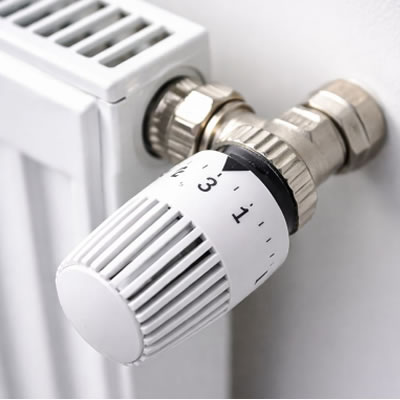
Radiator valves may seem like a small detail in a heating system, but they play an essential role in controlling comfort, efficiency, and energy use throughout a home or building. Whether you live in a modern property or an older one, the type and condition of your radiator valves can significantly affect how well your heating system performs. Understanding them in general terms helps homeowners make better decisions about heating control and energy savings.
A radiator valve is a device fitted to a radiator that regulates the flow of hot water entering or leaving it. By controlling this flow, the valve determines how much heat the radiator releases into the room. Most radiators are fitted with two valves: one that controls heat output and another that helps balance the system. Together, these valves ensure heat is distributed evenly and efficiently across the entire heating system.
Radiator valves are important because they directly affect indoor comfort and energy efficiency. Without proper control, some rooms may overheat while others remain too cold, even when the boiler is operating correctly. Valves allow users to adjust heat levels in individual rooms, reducing wasted energy and improving overall comfort. This level of control also helps lower heating bills by preventing unnecessary heat output.
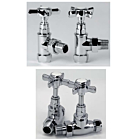
There are several common types of radiator valves, each designed for a specific purpose. Manual radiator valves are the simplest and most traditional option. They are adjusted by turning a knob to increase or decrease the flow of hot water. While they are reliable and affordable, they do not respond automatically to changes in room temperature and require manual adjustment whenever conditions change.
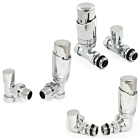
Thermostatic radiator valves, often referred to as TRVs, provide a more advanced level of control. These valves sense the air temperature in a room and automatically regulate the flow of hot water to maintain a consistent temperature. When the room reaches the desired warmth, the valve restricts the flow, reducing heat output. This automatic adjustment makes TRVs more energy efficient and comfortable than manual valves, although their effectiveness depends on correct placement and proper use.
Another important type of valve is the lockshield valve, which is usually installed on the opposite side of the radiator from the main control valve. Lockshield valves are not intended for regular use by occupants. Instead, they are used to balance the heating system by controlling how quickly hot water flows through each radiator. Once correctly set, these valves are typically left untouched to ensure even heat distribution throughout the property.
Radiator valves also play a key role in improving energy efficiency. By limiting heat output when a room is already warm enough, they reduce the workload on the boiler and prevent unnecessary fuel use. This is especially useful in rooms that are not used frequently, such as spare bedrooms or storage areas, where lower temperatures are often sufficient. Over time, this targeted heating approach can lead to noticeable cost savings.
Like any mechanical component, radiator valves can develop faults. Valves may become stuck, especially after long periods of inactivity, or they may leak due to worn internal seals. Older thermostatic valves can also lose accuracy, leading to inconsistent room temperatures. Regular checks and timely replacements help maintain reliable heating performance and prevent larger system issues.
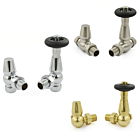
Choosing the right radiator valve depends on the type of heating system, the level of control desired, and long-term energy goals. Many valves are now available in a wide range of styles and finishes, allowing homeowners to combine practical heating control with interior design preferences. Upgrading radiator valves is often a simple and cost-effective way to enhance a heating system without major disruption.

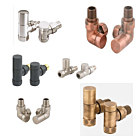
When pipework rises from the floor and the radiator has side connections, angled valves are the most suitable option. They allow the pipework to turn neatly at a 90-degree angle into the radiator, providing a secure connection while maintaining a clean, tidy finish. Their versatility makes them a popular choice for this setup.
When pipework comes out of the wall and the radiator has side connections, corner valves are a suitable choice.
They provide a neat, compact connection that aligns well with both the wall pipework and side-entry points of the radiator. This helps achieve a streamlined look and ensures functionality. Corner valves are not just practical but can also enhance the overall aesthetics of your radiator setup.
If the pipework comes up from the floor and the radiator or towel rail has connections underneath, straight valves are the best choice. They create a direct, unobstructed connection between the pipe and the radiator, resulting in an efficient installation with a sleek appearance. Straight valves work particularly well where no change in direction is required. But if the pipe work comes from the wall corner valves are the ideal choice as the head will not protrude into the room.
For radiators with 50mm underneath connections central valves are also available, like these - Undermount valves
In conclusion, radiator valves may be small components, but their impact on heating comfort and efficiency is significant. From basic manual valves to advanced smart controls, they provide the means to manage heat effectively and avoid energy waste. Understanding radiator valves in general terms empowers homeowners to take greater control of their heating system and create a more comfortable living environment.