Home Heating inspired by Art
- Inspired Heating
- News
- 23 Jan 2026
-
25views
When Warmth Becomes a Canvas: Home Heating Inspired by Art
Heating a home is usually discussed in numbers: degrees, efficiency ratings, fuel costs. It’s practical, necessary, and often invisible once it works. But what if we looked at home heating the way artists look at their materials—not just as function, but as form, mood, and meaning?
Art has always been about shaping human experience. Heating does the same thing, quietly. It shapes how we live in a space, how we move through winter mornings, how a room feels when the light fades early. When you think about it that way, home heating isn’t just infrastructure—it’s atmosphere.
The Hearth: Humanity’s First Installation
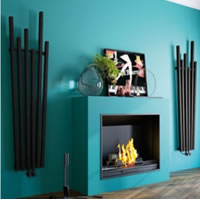
Long before radiators and thermostats, there was fire. The hearth was the original centerpiece of the home, equal parts survival tool and social sculpture. Flames danced like living brushstrokes, casting shadows that told stories on cave walls and cottage ceilings. Artists still chase that same effect today: warmth, movement, and light working together to make people linger.
Radiators as Rhythm and Line
Radiators are often hidden, boxed in, or ignored. But look at them through an artistic lens and they start to resemble repetition in music or pattern in painting. Old column radiators echo classical architecture: vertical lines, weight, permanence. Sleek panel radiators feel more like contemporary graphic design—clean, intentional, restrained.
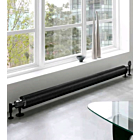
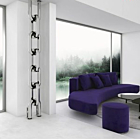
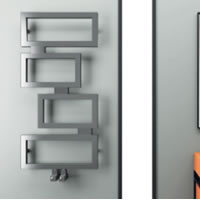
Some designers now treat radiators as functional art, choosing bold colors or sculptural forms that interrupt a wall the way a striking artwork would. Heat becomes visible, honest, and expressive. (Radox Manhattan)
Curating Comfort
Artists curate exhibitions. Homeowners curate comfort.
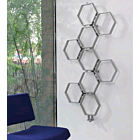
The temperature of a room influences how colors feel, how textures respond, how people behave. A cool room sharpens the senses; a warm one softens them. Heating, when thoughtfully chosen, becomes part of the emotional design of a home—supporting rest, conversation, focus, or retreat. (Carisa Baro)
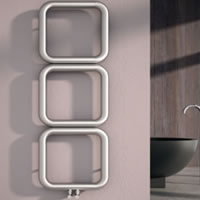
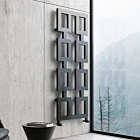
At first glance, Clash feels bold and expressive. Its sculptural form plays with geometry and presence, almost like a modern wall installation. It doesn’t hide its purpose, but it elevates it—warmth and storage delivered with visual confidence. Clash suits spaces that want to feel curated rather than merely finished.
Baro, by contrast, is quieter but no less intentional. Its clean lines and balanced proportions echo minimalist art and architectural rhythm. Baro blends seamlessly into modern bathrooms, offering warmth without visual noise, like a well-placed piece of understated design.
Both designs blur the line between object and artwork. They show that heating doesn’t have to disappear into the background—it can contribute to the mood of a space. With Clash and Baro, Carisa proves that even the most practical elements of a home can be expressive, sculptural, and beautifully functional. (Carisa Clash
Final Brushstroke
Home heating doesn’t hang on a wall, but it frames daily life all the same. It’s the unseen collaborator in every winter memory, every quiet evening, every shared meal when the weather turns cold.
When we stop thinking of heating as purely mechanical and start seeing it as experiential—almost artistic—we make better choices. Choices that balance beauty with function, innovation with tradition, comfort with care.